Learn how interior designers combine ambient, task and accent lighting, choose colour temperature and plan circuits to make every room feel warm and functional.

Lighting is the most underestimated element of interior design. The same room can feel cold and flat or warm and inviting depending only on how it is lit. Designers rarely rely on a single ceiling light; instead they build lighting in layers. Here is how to apply the same approach at home.
The three layers of lighting
Ambient lighting
Ambient light provides overall illumination so you can move around safely. It can come from recessed downlights, ceiling fixtures, cove lighting or indirect light bounced off the ceiling. The goal is soft, even light without harsh shadows.
Task lighting
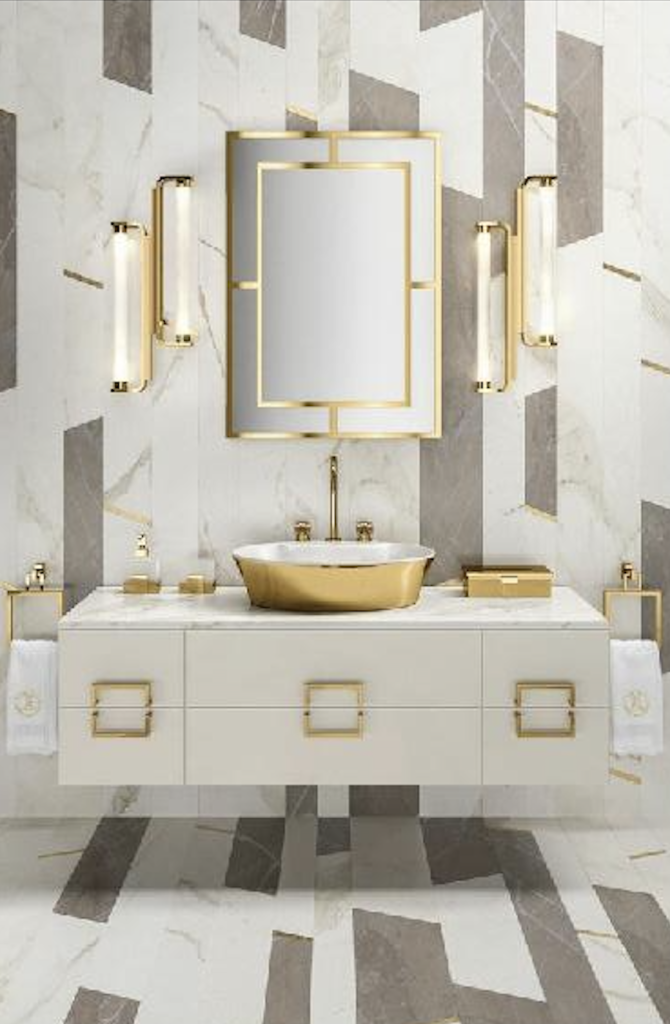
Task lighting is focused where you work: kitchen counters, desks, reading chairs, bathroom mirrors. Under-cabinet strips in a kitchen and a well-positioned reading lamp are classic examples. Task light should be brighter than ambient light and placed to avoid shadows from your own body.
Accent lighting
Accent lighting adds drama and depth by highlighting artwork, textured walls, shelving or architectural details. Because the eye is drawn to the brightest point, accent light lets you decide what people notice first in a room.
Choose the right colour temperature
Colour temperature is measured in Kelvin. Warm white (2700–3000K) suits living rooms and bedrooms, creating a relaxed atmosphere. Neutral white (3500–4000K) works well in kitchens, bathrooms and workspaces where clarity matters. Mixing very different temperatures in the same space usually looks unintentional, so keep each room consistent.

Do not forget colour rendering
The colour rendering index (CRI) describes how accurately a light source shows colours. Choose CRI 90 or higher, especially in kitchens, dressing areas and anywhere you have natural materials such as wood and stone. Poor colour rendering makes even beautiful materials look dull.
Plan circuits and dimmers early
Lighting should be planned at the layout stage, not after the ceiling is closed. Separate circuits for each layer let you create different moods for different moments: bright for cleaning, soft for dinner, minimal at night. Dimmers are inexpensive and transform how a space feels in the evening.
Room-by-room tips
- Living room: combine indirect ceiling light, floor lamps and accent lights on shelves or artwork.
- Kitchen: bright, shadow-free task light on worktops, pendants over the island, softer ambient light for evenings.
- Bedroom: warm, dimmable light, bedside reading lamps and low-level night lighting.
- Bathroom: even light around the mirror to avoid shadows on the face, with appropriate IP-rated fixtures.
- Hallways: low-glare wall or floor lights that guide movement without dazzling.

Work with natural light
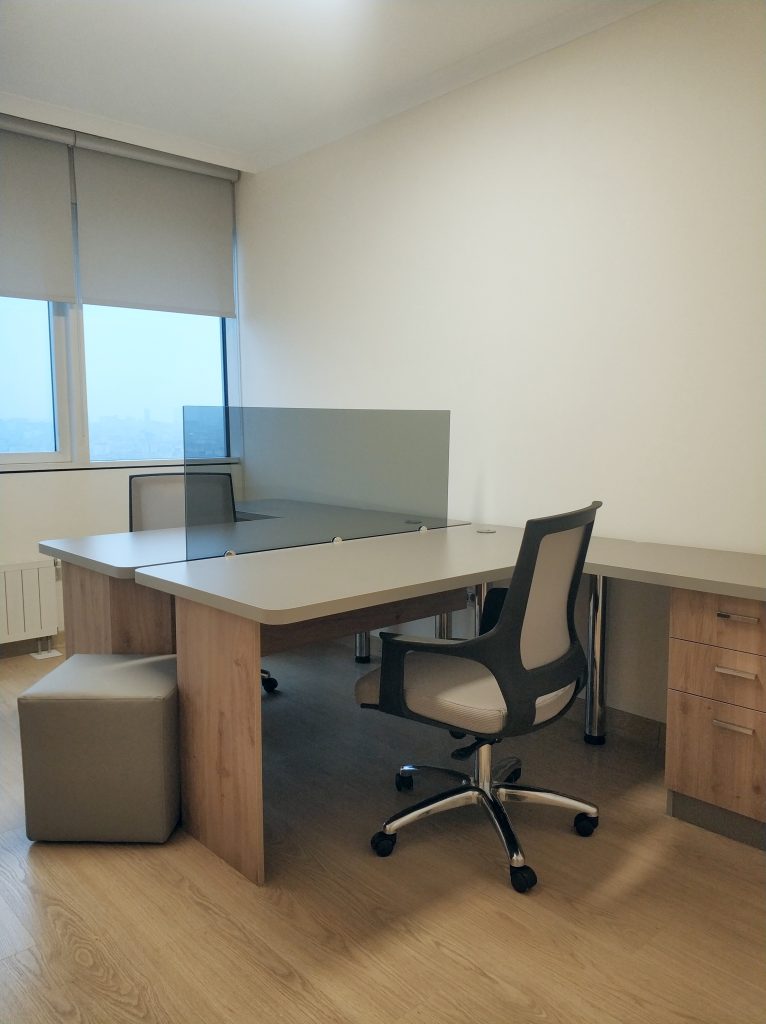
Artificial lighting should complement daylight, not compete with it. Note which rooms get morning or afternoon sun and use materials and colours that make the most of it. In several of our residential projects, opening up layouts to bring daylight deeper into the home made a bigger difference than any fixture.
Good lighting is invisible: you notice how a room feels, not the fittings. If you are planning a renovation and want lighting designed as part of the whole concept, talk to our team.